7 Top Motorcycle Accessories
With Christmas just around the corner, you might be wondering what to get your favourite motorcycle...
 Phoenix Motorcycle Training LTD
 Phoenix Motorcycle Training LTD
When it comes to choosing the best motorcycle, be it your first or upgrading to move up licence levels, there’s plenty to think about. Of course, there’s the choice of what colour to get. But if you want to find a bike that is right for you, keeps you safe on the road and helps you reach your motorcycling goals, there’s more to consider. Details like where and how you ride, power restrictions and the position of the seat and controls matter a lot.
That’s why we’ve broken how to find the best motorcycle into four easy steps. We’ve even included a simple checklist you can use when checking out wheels you’re imagining yourself straddling. Whether you’re an everyday commuter, a weekend explorer or an off-road warrior, our guide for finding the best motorcycle for you will make buying a bike simple and fun.
Before browsing bikes on eBay or Instagram and falling hopelessly in love with any of them, you need to know what you can legally ride. The UK’s tiered licensing system keeps you safe by opening up the power to weight ratio limits with your age and experience. But that also dictates exactly what your options are. A firm understanding of the UK motorcycle licence journey will guide your choices when it comes to browsing and buying the best motorcycle for you.
Category A (The Full Licence): If you’re 24 (or 21 with two years of A2 experience), you can take your Direct Access (DAS) training and ride anything. However, just because you can ride a 200bhp superbike doesn’t mean it’s the best choice for your first big machine.
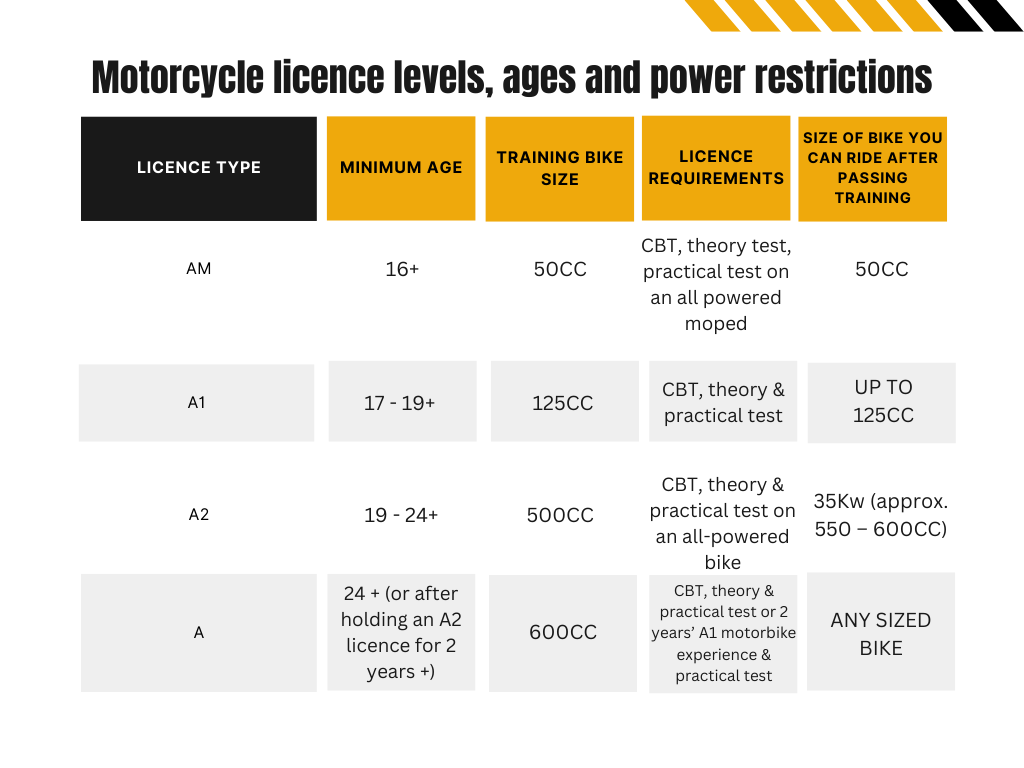
Why 47bhp Matters: If you’re on an A2 licence, pay close attention to the power-to-weight ratio. The legal limit isn’t just about the horsepower; it’s also about the weight of your machine. The bike can’t exceed 0.2kW per kg. This prevents people from stripping all the weight off a powerful bike to make it a pocket rocket that’s actually quite dangerous for a newbie rider.
Pro Tip: Always check the V5 logbook of a bike if you’re buying it for an A2 licence. If it has been restricted, it must have the official paperwork to prove it, or your insurance could be void.
Everyone’s idea of the perfect bike is different. Some want a cruiser for the open road; others are looking for a sports bike that’s nimble and athletic. Then you’ve got touring motorbikes for relaxed long-distance riding. Dual-sport motorcycles can ride pretty much anywhere, any time. ‘Standard’ bikes mix functions – they’ll be good on the streets and longer distances, but don’t take them off-road.
To find your personal best, you need to be honest about where you will actually spend 90% of your time in the saddle. The worst thing you can do is decide on a bike and then put it to work in a situation it’s not designed for, like commuting on a trail bike. The best bike for trails or roads is the one that suits the ride you’ve planned.
You might have imagined yourself astride a Triumph Rocket 3 Storm R, but if you’re a lean yet athletic 5 ‘5 male you’ll struggle to stand, let alone cruise safely on a machine like that. It’s important to tailor your riding dreams to your riding reality. Not just for the circumstances you’ll be riding in, but also your physical stature and skill level.
You need to be able to sit on your bike and reach the ground with your feet flat. Balancing on tip-toes is asking for trouble. The easiest way to figure this out is to check the seat height on the models you’re interested in against your own height and inner leg measurement. If you know your measurements and have a couple of bikes in mind, a motorcycle ergonomics simulator is a great place to check if they’re likely to be right for you.
Once you’ve done your homework, head to the dealers or look at a used bike and try them out. Softer suspension on some bikes, like motocross and dual-sports, can mean a higher seat height changes drastically when you actually sit on it.
Check your rider position: Sitting properly on your bike and choosing the right position will influence the control you have when riding. There are three basic rider positions—upright, cruiser, and sports—and they’re influenced by the kind of riding you’re doing and the bike you’re on.
Try out these positions when viewing a bike to ensure you can easily reach the controls with your hands and feet. If you’re stretching for either, you’ll be taking attention away from the road and possible hazards. If you find the right bike but it’s just a tad too high or low, you can get suspension and seats adjusted (at a cost), but we’d recommend finding a motorcycle that’s a great fit for you to begin with.
Motorcycle riding is about balance and ergonomics. A bike that is difficult to balance or doesn’t feel right is dangerous to you and other road users. The bottom line is, if you feel awkward when sitting on or riding a motorbike, it’s not right for you.
That kind of motorcycle will increase your risk of being involved in an accident—most likely a ‘manoeuvrability accident’. That’s the kind where you lose control when obstacles appear or when you’re overtaking. Better to choose a bike that suits where you are in your motorcycle licence journey and progress as experience and confidence grow.
Weight Management vs. Engine Size: It is a common mistake to focus only on engine CCs. The actual weight of a motorcycle can matter more for new or upgrading riders. A heavy 600cc cruiser can be a whole lot harder to manage at low speeds or when parking than a nimble, modern 800cc adventure bike.
If you can’t confidently walk the bike backwards into a parking space or pick it up if it tips over, it isn’t the best bike for you right now. That’s not to say it never will be. As your skill, confidence and experience grows, motorcycles that seemed out of reach or impossible for you to master will become likely candidates for an upgrade. It’s one of the things that makes riding so much fun.
Confidence vs. Ego: Choose a bike you can control, not just one you can start. It’s far better to be the rider outgrowing a 400cc bike than the rider who is terrified of their 1000cc bike. Confidence allows you to develop your skills faster. Ego usually develops expensive repair bills.
Once you know what you can ride and you’ve put together your wish list, it’s time to consider your budget. Whether you buy new or used isn’t only about the bike’s price. It’s also about the condition of the machine, your experience and expectations, and the model you’re interested in owning.
When purchasing your first bike, consider used motorbikes for sale that meet your riding needs. Just like cars, new bikes lose value as soon as they leave the dealer’s plot. As you gain experience, the chances of expensive repair bills due to beginner bumps or slow-speed drops reduce. That’s why it makes more sense to consider a brand-new bike once your competence and confidence on the road align.
You can find incredible deals on sites like eBay, but you need to go in with your eyes open. A private sale is often cheaper than a dealership, but it comes with fewer protections. If you’re looking at used bikes online:
On the flip side, buying new brings modern safety technology like cornering ABS and traction control. These can be lifesavers for new riders. You also get the security of a manufacturer’s warranty and the option of PCP (Personal Contract Purchase) deals. That can make a premium bike much more affordable month-to-month.
The other costs: Don’t blow your entire budget on the bike. The best motorcycle for you is one you can actually afford to keep on the road. Remember to set aside funds for:
It sounds simple, obvious even, but don’t assume you’ll be buying the bike you’re off to view before you see it IRL. Many flaws can be covered with careful photography. Buying the bike in your head before you see it for real makes it harder to say no if you discover it’s not right for you. So reserve judgement, take your time, and always run through this basic checklist:
The HPI Check: Before handing over any cash, run a HPI check. It costs a few pounds and will tell you if the bike has been written off, has outstanding finance, or is stolen.
You are the most important part of the bike. You could buy a £20,000 top-of-the-range motorcycle, but if you lack the foundational skills to handle it, you’ll be slower—and significantly less safe—than a confident rider on a 125cc.
So invest in yourself first. The best motorcycle for you is the one you can ride with confidence and competence.
Advanced training makes any bike better because it teaches you how to use its full potential. Whether you’re moving from a 125cc to your first big bike or you’ve been riding for years and want to sharpen your cornering and braking, professional training is the one upgrade that transfers to every bike you will ever own.
For most new riders in the UK, the best beginner motorcycle is a 125cc (if you’re 17 or older). This is the maximum engine size you can legally ride on a CBT (Compulsory Basic Training) once you are 17 or older. A 125cc bike is lightweight, fuel-efficient, and the perfect tool for building the confidence and gear-shifting skills you’ll need before progressing to a full licence.
While it’s tempting, we usually recommend waiting until you have completed your training. The training bikes you’ll ride during your course at Phoenix can give you a better feel for what ergonomics suit you. Plus, you’ll avoid the frustration of having a bike in the garage that you can’t legally ride yet!
Not necessarily. A high-mileage bike with a full service history is often a better buy than a low-mileage bike that has sat rotting in a shed for three years. Check the consumables like tyres and chains; if they are well-maintained, the engine likely is too.
Absolutely. If you can’t get your feet down comfortably, you will lose confidence during slow-speed manoeuvres and stopping at junctions. While you can buy lowering kits, starting with a bike that fits your stature naturally is always the safest option.
It’s not essential in a legal sense for older used bikes, but it is recommended. ABS can prevent the wheels from locking up during an emergency stop, which is one of the most common causes of accidents for new riders. Most modern bikes (2016 onwards) have ABS as standard.
With Christmas just around the corner, you might be wondering what to get your favourite motorcycle...
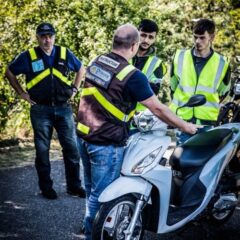
TL;DR: There’s never been a better time to join the UK’s highest-rated motorcycle training netw...
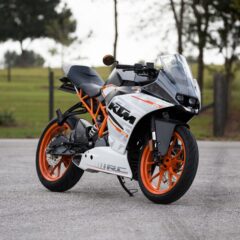
Getting a UK motorcycle licence can seem a complicated process. Particularly when compared to a dri...
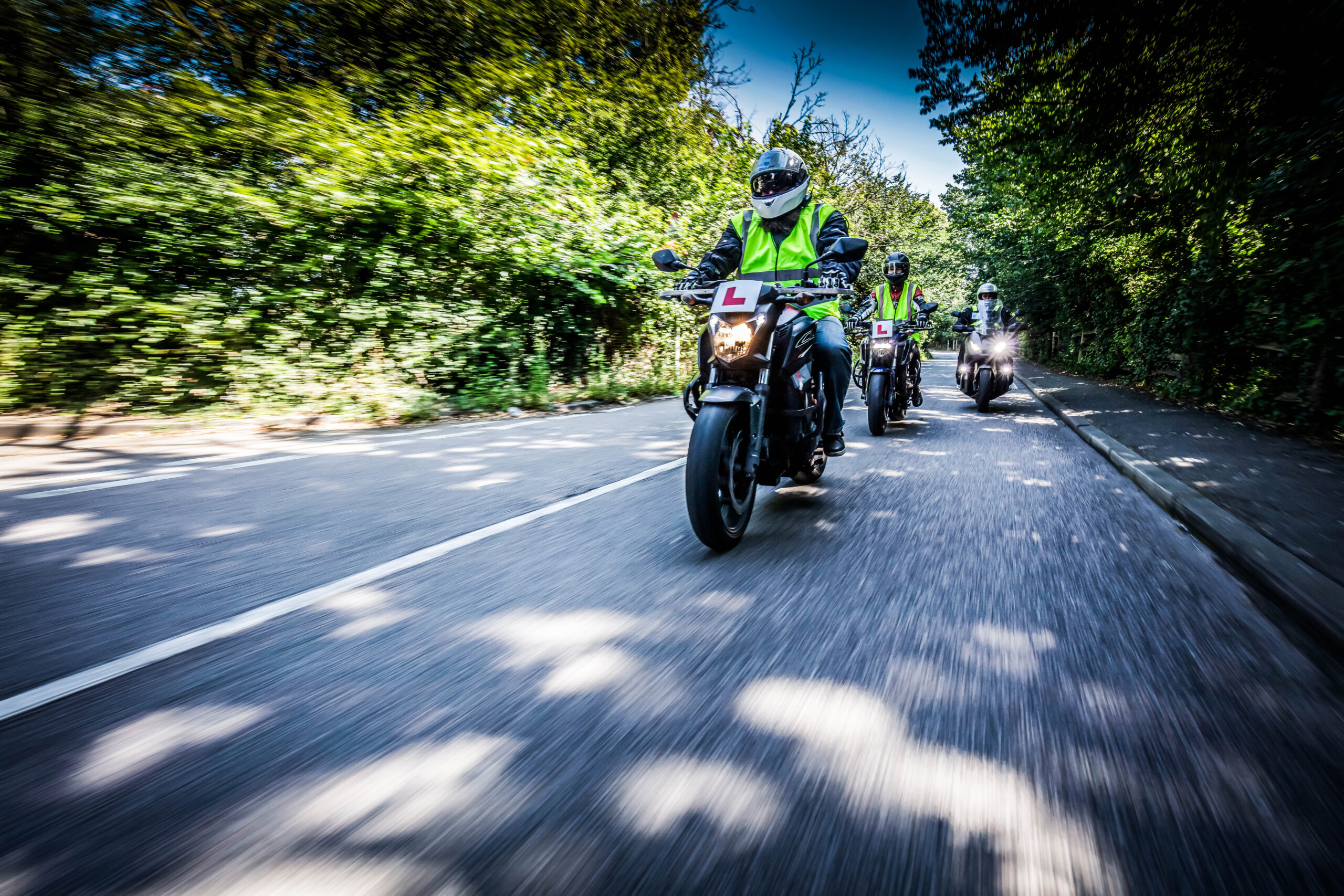
Phoenix Motorcycle Training is the UK’s highest rated and largest motorcycle training school, so wherever you’re going, we can help you get there.
This website uses cookies to personalise content, ads, and analyse traffic, sharing data with partners who may combine it with other information. See our Privacy Policy for more information.