
Ride Again
Practical and mindset-based motorcycle rehabilitation after a crash
A motorcycle crash can affect more than the bike. Even after you are physically ready to return, you may replay what happened, tense up in situations that once felt natural, avoid certain roads or question whether you can still enjoy riding.
You do not have to force yourself through that feeling, and you do not have to deal with it alone.
Our post-crash rider training combines personalised practical instruction with motorcycle-specific mindset support. Together, they can help you understand what happened, rebuild your skills and confidence, and return to riding at a pace that feels manageable.
No judgement. No pressure to “just get on with it”. No pass or fail.
Talk to us about returning to riding
Has a crash changed the way you ride?
You may be:
- Replaying the incident and wondering what you could have done differently
- Imagining the same thing happening again
- Tensing your arms or holding your breath in similar situations
- Avoiding bends, junctions, roundabouts, faster roads or poor weather
- Finding that your confidence no longer matches your riding ability
- Worried that an instructor will judge you
- Unsure whether you need practical training, mindset support or both
- Physically recovered, but not feeling ready to ride again
These reactions do not automatically mean that you have lost your ability. They are a sign that your return needs to be understood, planned and supported, rather than rushed.
Two parts of a safer, more confident return
1. Practical rider training
Rebuild confidence through supported experience
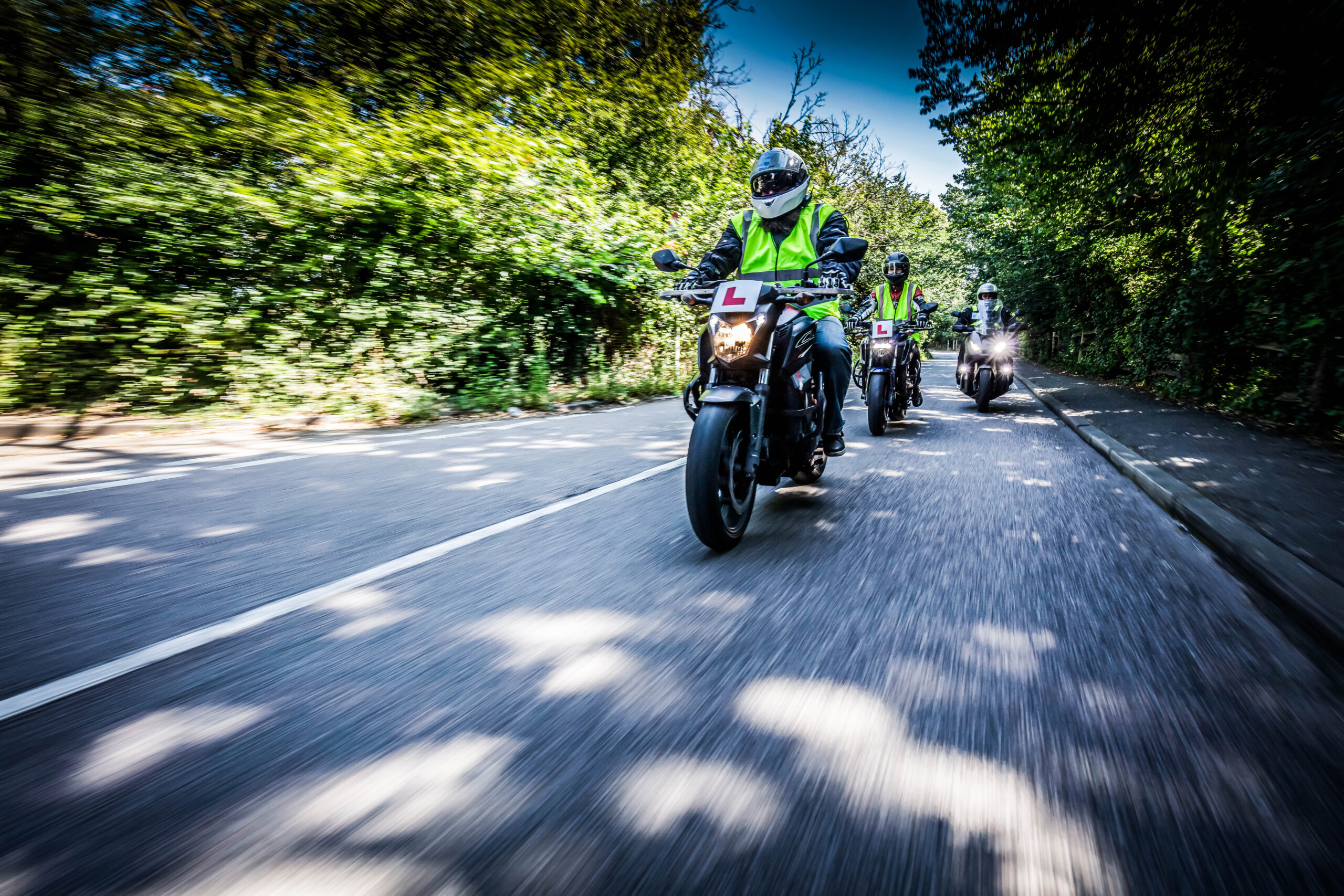
A qualified motorcycle instructor will listen to what happened, discuss the situations that now concern you and observe your riding in a controlled, progressive way. Training can then focus on the skills most relevant to you.
Depending on your needs, this may include:
- Familiarisation with the motorcycle and basic controls
- Slow-speed control and confident stopping
- Observation, anticipation and hazard planning
- Positioning and decision-making
- Junctions and roundabouts
- Cornering and bend assessment
- Braking and space management
- Riding on the types of roads connected with your concerns
- Developing a safe, smooth and unhurried riding style
You will receive clear feedback, roadside debriefs and practical suggestions for continued development. Training is personalised and there is no test to pass. The purpose is to help you make steady progress towards your own riding goals.
2. Motorcycle mindset support
Work with the thoughts and physical responses that can follow a crash
Knowing what to do on a motorcycle does not always stop your body reacting to a frightening experience. You may feel tense before starting the bike, predict the worst or treat one incident as proof that you are no longer capable.
The Remember You’re a Rider AI Mindset Coach gives you a private place to explore what is happening before, between or after training sessions. It can help you:
- Separate what actually happened from what you fear will happen next
- Identify the parts of the situation that are within your control
- Notice when one incident has become a wider judgement about your ability
- Understand how pressure and physical tension may affect your riding
- Prepare mentally for a particular road, manoeuvre or training session
- Reflect on training and recognise genuine progress
- Decide on a realistic and manageable next step
- Recognise when practical training, human coaching or healthcare support may be more appropriate
The coach complements professional rider training. It cannot observe your riding, assess your competence, diagnose a condition or replace an instructor or healthcare professional.
Explore the Rider Mindset AI Coach
How the programme works
Step 1: Start with a conversation
Tell us what happened, how it has affected your riding and what you would like to regain. You do not need to explain it perfectly, and you will not be pushed to share more than you are comfortable discussing.
Step 2: Agree a personal return-to-riding plan
We identify whether your main needs are practical, mindset-based or a combination of both. Your plan may begin off-road or in a quieter environment before progressing to the road.
Step 3: Rebuild the foundations
Your instructor helps you restore smooth control, observation and decision-making. The pace is based on your current needs, not on where you think you “should” be.
Step 4: Gradually revisit difficult situations
When appropriate, you can work towards the roads or circumstances that now concern you. This is done progressively, with preparation, guidance and opportunities to stop and review.
Step 5: Reflect and consolidate
Roadside debriefs and mindset reflection help you distinguish between what went well, what needs further practice and what your worry may be predicting without evidence.
Step 6: Leave with a plan
You finish with practical feedback and realistic next steps, which may include independent practice, further training, mindset coaching or specialist support.
Training built around you
This may be suitable if you:
- Have had a collision, fall, near miss or frightening riding experience
- Have dropped the motorcycle and lost confidence
- Are returning after time away following an incident
- Can still ride but now avoid particular situations
- Want to understand possible contributing factors without blaming yourself
- Need help deciding whether the barrier is skill, confidence or both
- Want to enjoy riding again rather than simply endure it
You do not need to wait until fear has stopped you riding completely. Early, appropriate support can help prevent avoidance from becoming your new normal.
What this training is, and what it is not
It is:
- Personalised practical rider development
- A supported opportunity to reflect and learn
- Progress at a manageable pace
- Clear, constructive feedback
- Motorcycle-specific mindset support
- Focused on safer decisions and renewed enjoyment
It is not:
- A promise that riding can be made risk-free
- Pressure to recreate the crash or confront everything immediately
- A pass-or-fail assessment
- Medical treatment, counselling or trauma therapy
- A substitute for medical clearance, where that is needed
- A guarantee that every rider will return to riding
Choosing not to continue is also a valid decision. The aim is to help you make an informed choice rather than one controlled by pressure or fear.
Frequently asked questions
Do I need to bring my own motorcycle?
This will depend on the training location, your licence and the type of session arranged. We will discuss the most suitable option before booking.
Will I have to explain the whole crash?
No. Share only the details that are useful and that you feel comfortable discussing. The focus is on what you need now and how training can support you.
What if I become uncomfortable during the session?
Tell your instructor. The session can be paused, reviewed or adjusted. Progress does not require pushing beyond what is safe or manageable.
Is this only for new riders?
No. A crash can affect riders at any experience level. The training is shaped around your present needs rather than how long you have been riding.
Can mindset work replace practical training?
No. If the concern involves motorcycle control, riding technique or roadcraft, it should be addressed with a suitably qualified motorcycle instructor. Mindset support can help you prepare, reflect and manage unhelpful predictions, but it cannot assess your riding.
What if I am still injured?
Do not return to riding until you are physically fit to do so. Seek advice from an appropriate healthcare professional if you are uncertain. Tell the training provider about any limitation that could affect safe participation.
What if the crash is causing significant distress?
This programme is not mental-health treatment. If distress is persistent, worsening or affecting your wider life, contact your GP or another appropriately qualified healthcare professional. If immediate support is required, use the appropriate urgent or emergency service.
Your return does not have to begin with a full ride
It might begin with a conversation. It might be sitting on the motorcycle, rebuilding slow-speed control or completing a short ride on familiar roads. The right first step is the one that is safe, purposeful and manageable for you.
Rebuild the skills. Understand the response. Rediscover the ride.
[Book a post-crash training conversation]
Important safety information
Motorcycling involves inherent risk. Riders remain responsible for deciding whether they are physically and mentally fit to ride and for following road traffic law, manufacturer guidance and safety recommendations. Practical training should be provided by a suitably qualified motorcycle instructor.
Only use the Rider Mindset AI Coach when safely parked and no longer responsible for controlling a motorcycle. Do not use it while riding, at traffic lights or in any situation requiring attention to the road.
The AI coach does not provide emergency, medical, psychological or therapeutic support. It does not observe riding or determine whether someone is competent or fit to ride. AI responses may sometimes be incomplete or unsuitable, so riders should use their own judgement and refer technical questions to an instructor and health concerns to an appropriate professional.