
7 Top Motorcycle Accessories
With Christmas just around the corner, you might be wondering what to get your favourite motorcycle...
 Phoenix Motorcycle Training LTD
 Phoenix Motorcycle Training LTD

TL;DR: Staying dry and warm improves your safety. Riding cold slows your reaction times and reduces bike control. This guide breaks down oversuits vs. dedicated textiles so you can pick the right motorcycle gear for wet weather.
Wet weather is a year-round threat when you live in the UK. Sudden downpours, road spray and freezing winds that chill you to the bone make you miserable and compromise your safety. It can be downright dangerous for motorcyclists.
Slippery roads, poor visibility and lower riding speeds aren’t the only things that make poor weather so bad. It’s also the way that rain and wind chill impact you as a rider.
When you’re cold, you tire faster. A little like a rechargeable battery loses power faster in low temperatures. When you’re tired, your reaction times slow. You also lose the feeling in your extremities so it’s harder for you to control your motorcycle. And when you’re really cold, you shiver. Your body’s natural defence against cold is super unhelpful when you’re trying to control a motorcycle.
Choosing the right motorcycle gear for wet weather is a choice for safety and comfort.
The right waterproof gear setup comes down to how often you ride, your budget, and how much storage space you have. Even if you’re a fair-weather rider, it’s good to have wet weather gear for unexpected summer rain.
Wet weather motorcycle gear falls into three main categories: budget-friendly oversuits, mid-range drop-liner textiles, and high-performance direct-laminate suits in Gore-Tex.
Check out how they stack up side-by-side to choose what’s best for you:
| Gear Type | Waterproof Rating | Ease of Use & Storage | Warmth | Ideal for… |
| Waterproof Oversuits or 2-Piece Covers | High (a complete external barrier). | Easy to roll up and stash under seat or in a backpack. | Low (provides wind protection, but relies on inner layers). | Summer riders, short-distance commuters, and budget-conscious riders. |
| Drop-Liner Textiles | Moderate to High (a waterproof membrane sits behind outer shell). | Standard jacket/trousers; outer shell can get heavy when soaked. | Moderate to High (usually includes removable thermal liners). | Daily commuters and regular road riders looking for everyday solutions. |
| Direct-Laminate (e.g. Gore-Tex) | Maximum (membrane is bonded directly to outer shell). | Wear as your main kit; minimal water retention in outer fabric. | High (keeps wind out and breathes well to stop sweat build-up). | High-mileage commuters, tourers, and year-round riders tackling extreme UK weather. |
Waterproof Oversuits & Over-Clothing: Waterproof oversuits and two-piece jacket/trouser combos create an immediate rain shield. They’re lightweight and easy to stash away until dark clouds appear. Despite their simplicity, they’re often the most watertight option in torrential rain because they have fewer exposed zips and pocket seams. The downside is their lack of impact protection (the gear underneath should provide that) and you’ll lose access to zips and pockets when you slip them on over your regular riding gear. Top Tip: try waterproof oversuits on OVER your regular riding gear to ensure a good fit before you buy.
Dedicated Waterproof Textiles: Some textile motorcycle gear have the waterproofing elements directly in the garment. High-end direct-laminate gear uses bonded membranes to prevent the outer shell from absorbing water (known as “wetting out”). High-performance laminate gear comes with a higher price tag, but it offers superior breathability and thermal regulation. That stops you from feeling like you’re in a personal sauna on humid, rainy rides.
Waterproof oversuits, jackets, and trousers are the go-to solution for riders caught out by unpredictable UK weather. They’re designed to layer directly over your regular protective summer kit or body armour, giving you a reliable barrier against wind and rain.
Steve, from our customer service team, recommends keeping a high-visibility one-piece oversuit stashed under your seat or in a backpack:
“Gore-Tex is good but in really torrential rain, even that leaks. These body covers work even if you want to ride through a swimming pool (but please don’t try riding through a swimming pool).” — Steve, Phoenix Customer Service
A brightly coloured one-piece oversuit makes your visibility second-to-none on wet, grey roads but it isn’t for everyone. They can be tricky to pull on over riding boots and make loo breaks a hassle. If you prefer a two-piece jacket and trouser combo, make sure you look for these must-have features:
The Problem: Water creeping up your sleeves or into boots on the highway.
The Fix: Always gauntlet your gloves and boots UNDER oversuit cuffs, but OVER inner jacket cuffs to stop water creeping in and ankle and wrist gaps.
If you commute year-round or love touring regardless of the forecast, dedicated wet weather motorcycle gear is worth the investment. Over-clothing is a great temporary water repellent but dedicated textile suits are sturdier, warmer, and fit mor comfortably over long miles.
Steve, our customer service team member who currently rides a Suzuki GSXR 1000, relies on high-performance textiles for winter riding. This is what he says about his wet weather gear:
“Having the right wet weather gear is essential in England if you want to get home warm, dry, and most importantly safely. My Gore-Tex motorcycle kit has seen some of the worst weather England has to offer. The wrist ties stop water creeping up my arms, the high collar stops rain dripping from my helmet down my back, and most importantly it keeps me warm and dry so I can concentrate on riding safely.” — Steve Sorrell, Phoenix Motorcycle Training
Even high-end breathable membranes like Gore-Tex struggle in prolonged UK downpours. When choosing motorcycle jackets and motorcycle trousers, keep an eye out for these construction details:
Foot and leg injuries are among the most common for motorcyclists, so sturdy boots are essential. Hands and feet are also the first parts of your body to freeze and lose feeling in bad weather.
It’s not just your body that needs protecting—your gear and electronics need to stay dry too. Water-resistant backpacks, 20L roll-top dry bags, and high-visibility backpack covers keep your essentials safe when riding through heavy spray. Explore more wet and cold weather gear in our breakdown of 7 top motorcycle accessories.
Riding in cold, wet, or foggy UK weather isn’t the most glamorous part of motorcycling. The right kit stops it becoming miserable or dangerous. Whether you choose budget-friendly over-clothing to stash under your seat or invest in all-weather direct-laminate textiles, staying warm and dry keeps your focus on the road ahead—where it’s needed.
Before heading out on your next wet ride, run through this quick checklist:
Wearing the right gear is one half of the battle—building the roadcraft to manage challenging conditions is the other.
Whether you are looking to refresh your wet-weather riding skills, complete your CBT, or boost your road skills with an Advanced Training course, our expert instructors are ready to help. Explore our motorcycle training courses to book your next session, or check out our guide on Gear Up Right: The Best Motorcycle Gear for Beginners to Experienced Riders to keep building the best kit!
🏷️ Phoenix Student Perks: Looking to upgrade your over-clothing? Phoenix Motorcycle Training students get exclusive discounts on wet weather kit through our partners at Roadskin and MotoGirl. Contact our team for your discount codes.
With Christmas just around the corner, you might be wondering what to get your favourite motorcycle...
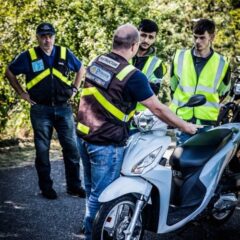
TL;DR: There’s never been a better time to join the UK’s highest-rated motorcycle training netw...
Getting a UK motorcycle licence can seem a complicated process. Particularly when compared to a dri...
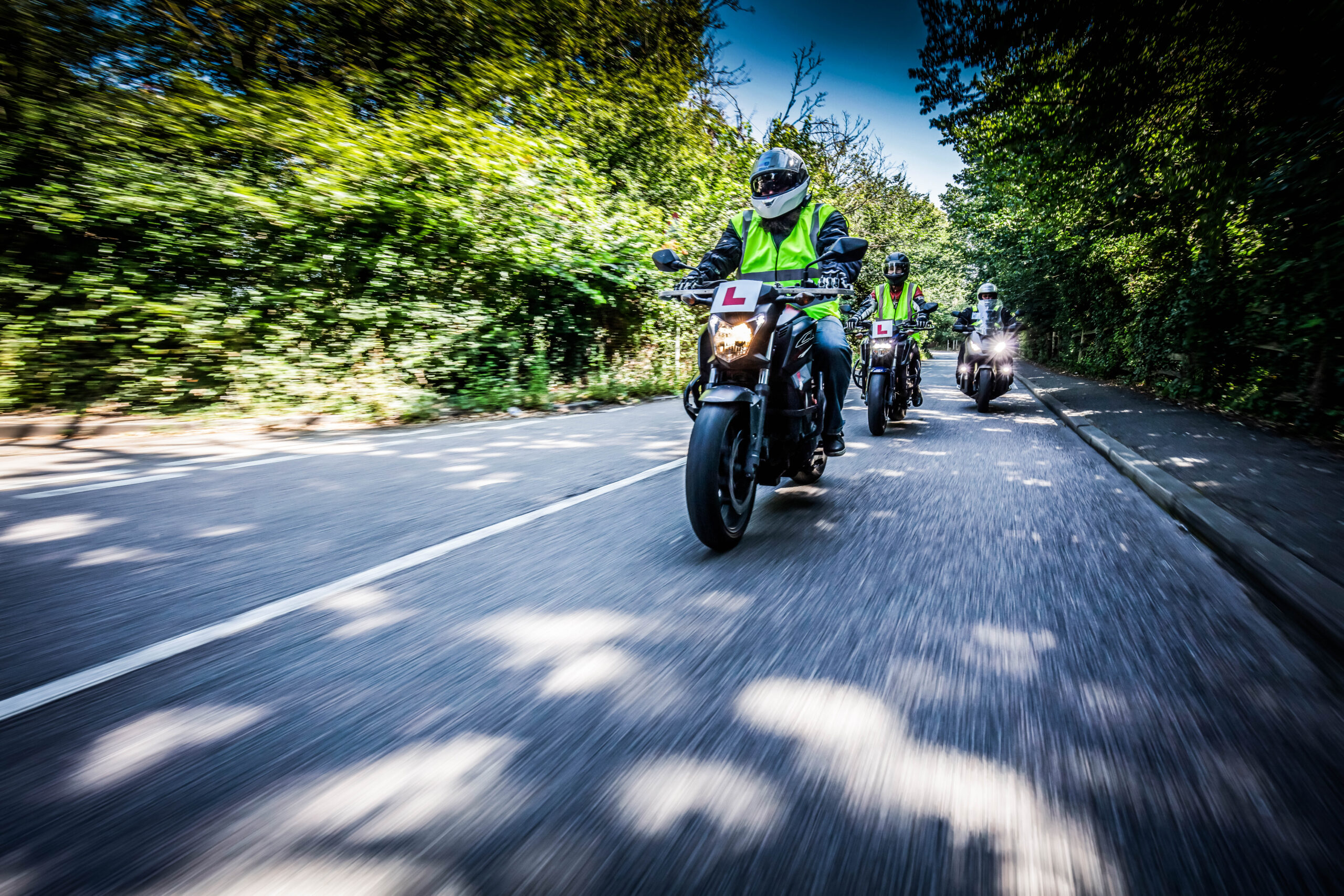
Phoenix Motorcycle Training is the UK’s highest rated and largest motorcycle training school, so wherever you’re going, we can help you get there.
This website uses cookies to personalise content, ads, and analyse traffic, sharing data with partners who may combine it with other information. See our Privacy Policy for more information.