
7 Top Motorcycle Accessories
With Christmas just around the corner, you might be wondering what to get your favourite motorcycle...
 Phoenix Motorcycle Training LTD
 Phoenix Motorcycle Training LTD
The car theory test has included video clips in the multiple choice questions section for years. Now it’s time for the motorcycle theory test to get an update with video clips too.
It’s a change that’s long overdue. The DVSA video clip case studies will make the theory test more about understanding the dynamics of safe riding and less about reading and comprehension. That benefits neurodivergent learner riders, autistic or dyslexic riders, and anyone else with learning differences. Now more people will be able to take to the road with two wheels, regardless of their reading level.
It makes perfect sense that the testing format and questions are updated regularly. It helps keep pace with technology, how we use the roads and how we learn. The DVSA’s theory test updates earlier in 2026 covered questions about CPR and AEDs. This latest change is one we wholeheartedly welcome. It’s a massive step towards making the motorcycle community more inclusive, diverse and accessible.
The current motorcycle theory test has several written case studies followed by five questions about them. These text-heavy sections aren’t easy for dyslexic, neurodivergent, autistic riders, or those with similar learning differences to understand and answer correctly. It turns a test about understanding safe road use into a reading and comprehension test. There’s little benefit to new riders or the examiners with that approach.
The new DVSA video clips replacing the case studies allow new riders to see and understand the situation they are being asked about without wading through paragraphs describing the circumstances. Think of it as a picture replacing the thousand words for new riders. It makes the questions clearer and removes ambiguity from the case study.
Short video clips followed by three questions will replace the old text-heavy motorcycle theory test case studies and five questions.
The length, difficulty, content and minimum pass marks all stay the same. There’s no change to the hazard perception test section either. Those HPT clips and the technique for accurate clicking and passing are still relevant. Swapping the written case studies in the motorcycle theory test with video clips doesn’t make the test easier. It just makes it clearer, changing the way riders’ understanding is assessed.
Replacing dense paragraphs of text with short video clips intrinsically changes how neurodivergent learner riders understand what is being asked. Seeing a road situation play out dynamically means riders assess hazards directly without wasting effort and time deciphering written descriptions.
Written case studies force riders to decode text and turn the words into mental images of road layouts, traffic and other elements in the descriptions—all under time pressure. That creates reading fatigue which can easily push any actual knowledge of road safety rules out of mental reach.
Video clips remove the cognitive hurdle of turning text into mental images by simply presenting the same information as images. It’s not just about the cognitive load of turning text into mental imagery either. For riders with other learning differences like ADHD and autism, hypothetical written scenarios create ambiguity with various interpretations.
Video scenarios mirror exactly what a rider encounters: moving traffic, dynamic positioning, and real-time spatial relationships. That gives the person taking the test clear context for evaluating risk based on what is happening rather than a description of what’s happening.
Road safety, hazard avoidance and navigating our roads on two wheels happens visually in real time. By shifting to DVSA video clip case studies, the theory test assesses a rider’s situational awareness, anticipation, and understanding of the Highway Code. It levels the playing field so every learner gets a fair chance to demonstrate their road-readiness.
We believe anyone who wants to experience the freedom of two wheels should be able to. As long as it’s via a comprehensive yet fair, supportive, and appropriate path to getting on the road.
Motorcycling asks for a calm mental mindset and physical skills reliant on visual understanding and practical techniques. Training and testing needs to reflect that reality. We should be assessing students on their ability to read and understand the road—not their reading and comprehension levels.
“Each rider has their own learning style; updating the theory test format to include video clips instead of slabs of text acknowledges this. Moving to video clip case studies creates a clearer, more accessible path to a motorcycle licence for every potential rider.
Mark Jaffe, Owner of Phoenix Motorcycle Training
This update to the motorcycle theory test should inspire our wider training industry to keep evolving. Making use of the latest technologies available to us and expanding visual, interactive, and inclusive learning tools across all stages of rider development makes for safer, more confident road users. That can only be a good thing.
If you’ve booked, or are preparing to take your motorcycle theory test on or after 29 October this year, there’s no need to panic. Everything you’ve been learning so far will help because the actual content of the theory test isn’t changing. The Highway Code knowledge, traffic signs, and road rulesmremain exactly the same. It’s just the way you’re being asked that’s changing a little.
These three ways to study and prep for the test will help you ace the video clip case studies section, along with the rest:
Whether you’re preparing for your theory test or taking your first motorcycle course, we’ve got the instructors and additional resources to support you. Our CBT courses come with instant access to pre-training materials that set you up for success.
Book your CBT course with us today or explore our Pre-CBT resources to start building your road confidence.
No. Your test pass certificate is valid for two years from the date you passed. You only need to re-take your motorcycle theory test if this time has passed and you’ve not passed the practical Mod 1 and Mod 2 full motorcycle licence test.
No. All other parts of the motorcycle theory test are staying the same. The pass mark for the multiple-choice section (43 out of 50), total test duration, test content and road safety standards are the same. The only difference is how the case study scenarios are presented.
The change makes the theory test far more accessible—especially for neurodivergent learner riders, including those with dyslexia, autism, ADHD or similar learning differences. Using short video clips instead of lengthy paragraphs assesses real-world hazard evaluation visually. This gives examiners a better view of a rider’s practical understanding of safe road riding than the previous text-heavy passages could.
The Safe Driving for Life website has official practice materials and free practice tests. Esitu has practice materials for the motorcycle hazard perception test and our Pre-CBT resources will help you build confidence and prepare for your theory test and Compulsory Basic Training course.
With Christmas just around the corner, you might be wondering what to get your favourite motorcycle...

TL;DR: There’s never been a better time to join the UK’s highest-rated motorcycle training netw...

Getting a UK motorcycle licence can seem a complicated process. Particularly when compared to a dri...
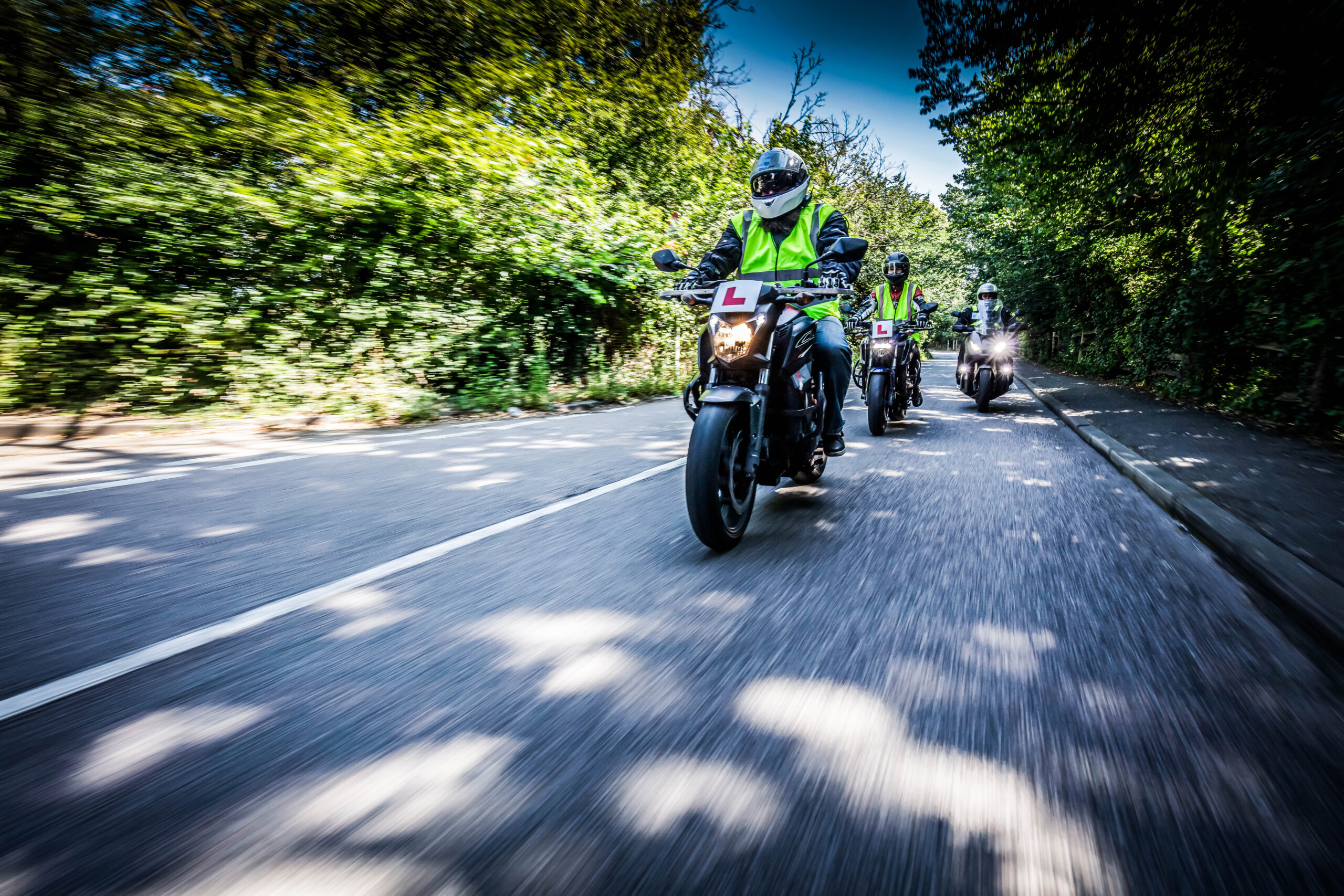
Phoenix Motorcycle Training is the UK’s highest rated and largest motorcycle training school, so wherever you’re going, we can help you get there.
This website uses cookies to personalise content, ads, and analyse traffic, sharing data with partners who may combine it with other information. See our Privacy Policy for more information.