
7 Top Motorcycle Accessories
With Christmas just around the corner, you might be wondering what to get your favourite motorcycle...
 Phoenix Motorcycle Training LTD
 Phoenix Motorcycle Training LTD

The past five years have been wild for the British motorcycling industry. Supply chain bottlenecks, economic shifts, and new emissions regulations temporarily slowed new bike purchases.
Consultations on motorcycle training and licensing created a little uncertainty at the beginning of the year, which has settled and looks to provide further stability for the industry. Rising living costs and a surge in two-wheeled commuting have tipped the balance back toward sustained demand—particularly in the 125cc commuter and adventure bike segments.
This matters whether you’re looking to buy your first bike, upgrade to a more powerful machine or switch careers and become a motorcycle training instructor. Why? Because demand for new and used bikes influences prices—that’s simple economics. And if you’re thinking of a career switch, steady demand for training ensures a reliable, future-proof career path with plenty of room to develop.
If you look at headlines from 2025, you’ll have seen the ~19% drop in new registrations (~93,900 units). It’s easy to assume motorcycle sales are on the way down. But the reality is quite the opposite.
The 2025 dip was largely a market distortion caused by manufacturers and dealers pre-registering 2024 stock ahead of Euro 5+ emissions regulations. Now that’s passed, 2026 data shows double-digit year-on-year growth for new motorcycle registrations—confirming that the UK motorcycle industry is back on a steady-growth track.
UK Motorcycle Market Trends Summary 2024-26
Just like the used car market post-pandemic, used motorcycle prices in the UK have stayed firm compared to pre-2020 levels. Thanks to the continued interest in used machines, stubborn inflation and higher prices for brand-new machines, good-condition secondhand bikes are holding their value. It’s great news for riders selling their motorcycles after upgrading their licence and boosting power levels.
Two categories of motorcycles continue to lead the sales charts:
Whether you’re eyeing a budget-friendly commuter bike or a long-distance touring machine, taking time to evaluate your riding goals will make choosing the best motorcycle for your needs much easier.
Motorcycle sales figures tell only half the story. New licensing data shows us who’s actually taking to two wheels. Annual DVSA testing records show continued strong demand—over 60,000 Module 2 tests have been taken each year since the 2021/22 post-COVID recovery. The national UK motorcycle test pass rate remains strong at around 71–73% across both Module 1 and Module 2 tests, showing solid preparation among candidates is the norm.
Looking at the underlying UK motorcycle licence statistics, the British rider profile is evolving into three distinct groups:
The recent DVSA and Department for Transport (DfT) consultations on motorcycle training and licensing aim to modernise the entire system. Proposed updates include progressive training pathways to allow riders to upgrade from an A2 to a full A licence without re-taking test modules. All changes are designed to make stepping up safer, simpler, and more rewarding.
If you’re progressing beyond a 125cc, exploring the 5 best A2 licence bikes of 2025 is a great way to see what options fit your riding style before committing to training.
High test pass rates and rising candidate numbers show a healthy interest in riding, but the industry faces delays and challenges in test availability. DVSA test centre bottlenecks and long training waiting lists across the UK mean that thousands of new and upgrading riders face delays in booking Module 1 and Module 2 test dates.
This surge in demand highlights a widespread shortage of DVSA-certified motorcycle instructors that needs addressing. In short, qualified motorcycle instructors are in demand!
Yes. The high volume of CBT candidates, coupled with experienced riders seeking Direct Access Scheme (DAS) training, has put motorcycle training schools under pressure. Approved Training Bodies (ATBs) across the country are actively searching for skilled, passionate riders to join their instructor teams to meet demand.
For experienced motorcyclists, a career or side-income opportunity awaits:
Becoming an instructor doesn’t mean stepping into a classroom unprepared. Professional training pathways give you practical coaching skills and nationally recognised qualifications.
If you have three or more years of riding experience, exploring how to become a motorcycle training instructor is the best place to begin. Finding out why 2026 is the year for CBT instructor training will give you insight into the upcoming regulatory changes and how they’ll create even greater demand for qualified trainers.
No. Used motorcycle values in the UK have stayed remarkably firm compared to pre-2020 levels. Persistent inflation, rising prices for brand-new bikes and steady demand from both commuters and upgrading riders mean good-condition secondhand machines are holding their value. Reports from the National Motorcycle Dealers Association (NMDA) highlight that healthy used bike prices are cushioning overall dealer and trade revenues.
Yes. High CBT registration volumes, coupled with a steady stream of riders pursuing Direct Access Scheme (DAS) full-licence training, have created widespread demand for DVSA-qualified motorcycle trainers. Combined with test centre bottlenecks, many Approved Training Bodies (ATBs) across the UK are actively searching for riders keen to begin a career in motorcycle training to help clear backlogs and meet future student demand.
Absolutely. Female riders now account for approximately 8% to 10% of all DVSA motorcycle test-takers—a proportion that’s growing year-on-year. According to BMF industry commentary, this demographic shift has created strong demand for female instructors who can provide a supportive, relatable learning environment for new female students.
Across the UK, more than 100,000 practical motorcycle tests (combining Module 1 and Module 2) are taken annually. Specifically, official DVSA driver and rider testing statistics show that over 60,000 Module 2 road tests are taken each year. Considering Module 2 tests can only be taken once Module 1 has been passed, this shows strong demand for getting on the road with two wheels.
The numbers don’t lie—the UK motorcycle industry is on the up! Double-digit registration growth, robust secondhand values, and steady testing volumes all prove that two-wheeled transport remains as appealing as ever, if not more.
Whether you’re an entry-level commuter saving on travel costs, a returning rider upgrading your capacity, or a female motorcyclist joining a growing demographic, there’s never been a better time to get out on the road. At the same time, this thriving riding community needs passionate leaders to keep moving forward. We need experienced riders to step into instructor training and turn their riding skills into a fulfilling career to help clear national training backlogs.
Ready to take your next step? Explore our range of motorcycle training courses or discover how you can become a certified motorcycle instructor today.
With Christmas just around the corner, you might be wondering what to get your favourite motorcycle...
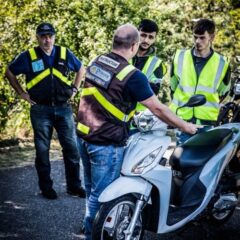
TL;DR: There’s never been a better time to join the UK’s highest-rated motorcycle training netw...

Getting a UK motorcycle licence can seem a complicated process. Particularly when compared to a dri...
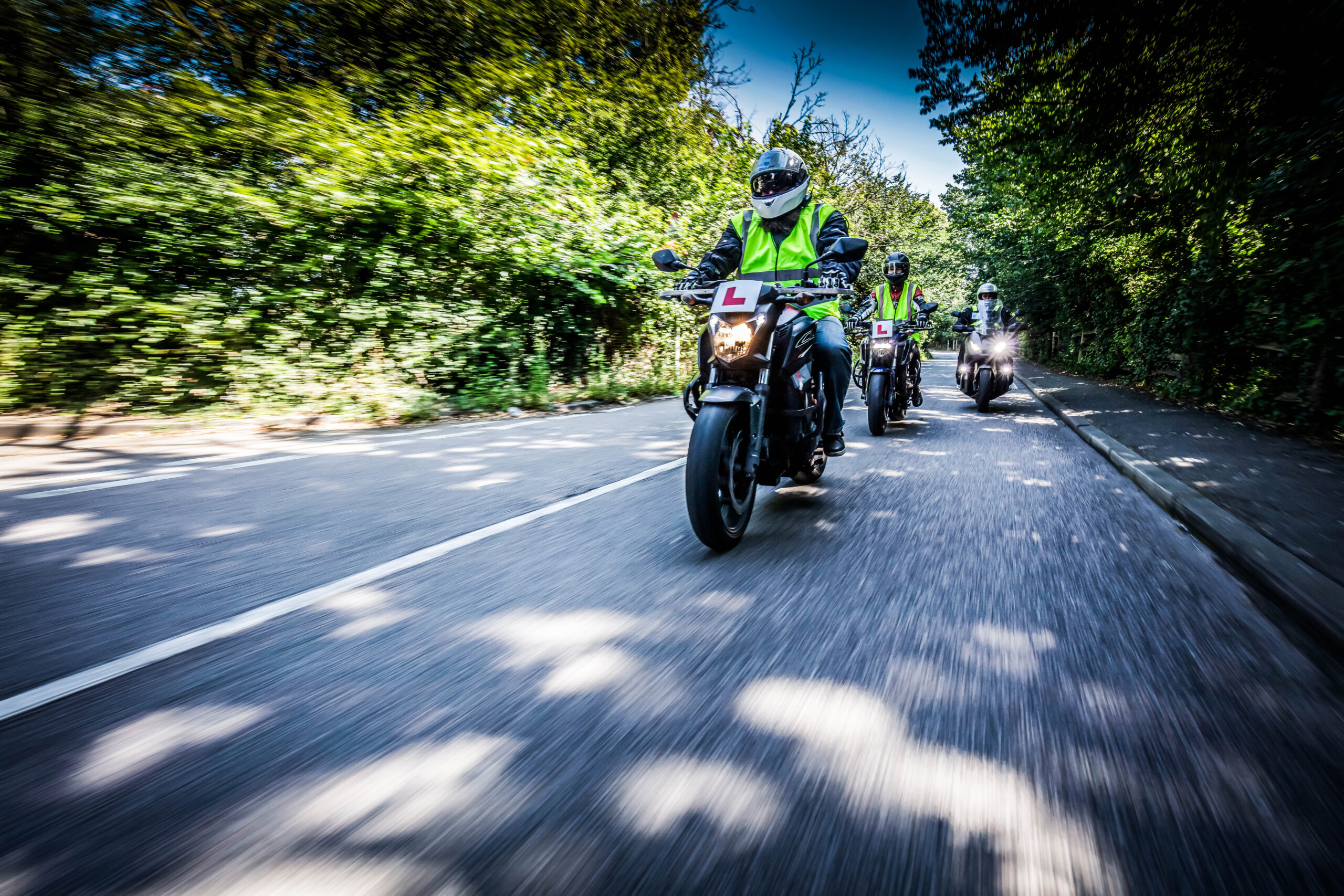
Phoenix Motorcycle Training is the UK’s highest rated and largest motorcycle training school, so wherever you’re going, we can help you get there.
This website uses cookies to personalise content, ads, and analyse traffic, sharing data with partners who may combine it with other information. See our Privacy Policy for more information.